Public safety physicals built to your department’s standard
Pre-hire and annual medical exams for police, fire, EMS, and corrections personnel, run to NFPA 1582 or the protocol your department specifies.
Before you come in
What to bring and how to prepare
Most delays come from a missing department authorization or an unclear protocol. Have your department send the standard they want run before your visit.
Good to know
- Skip caffeine and nicotine for a few hours beforehand; both raise blood pressure.
- If your protocol includes fasting labs, we will tell you when you book.
- Be clean-shaven where a mask seals if a fit test is part of the visit.
Bring
- Photo ID
- Department authorization and the medical protocol to be used
- A complete list of medications and doses
- Glasses, contacts, or hearing aids
- Records from treating providers for any known condition
- The respirator or SCBA mask model, if fit testing is included
The visit
What the public safety physical includes
Protocol and history
We confirm the standard your department uses and take a medical and occupational history against its essential job tasks.
Vitals, vision, hearing
Height, weight, blood pressure, pulse, vision screen, and hearing check.
Physician exam
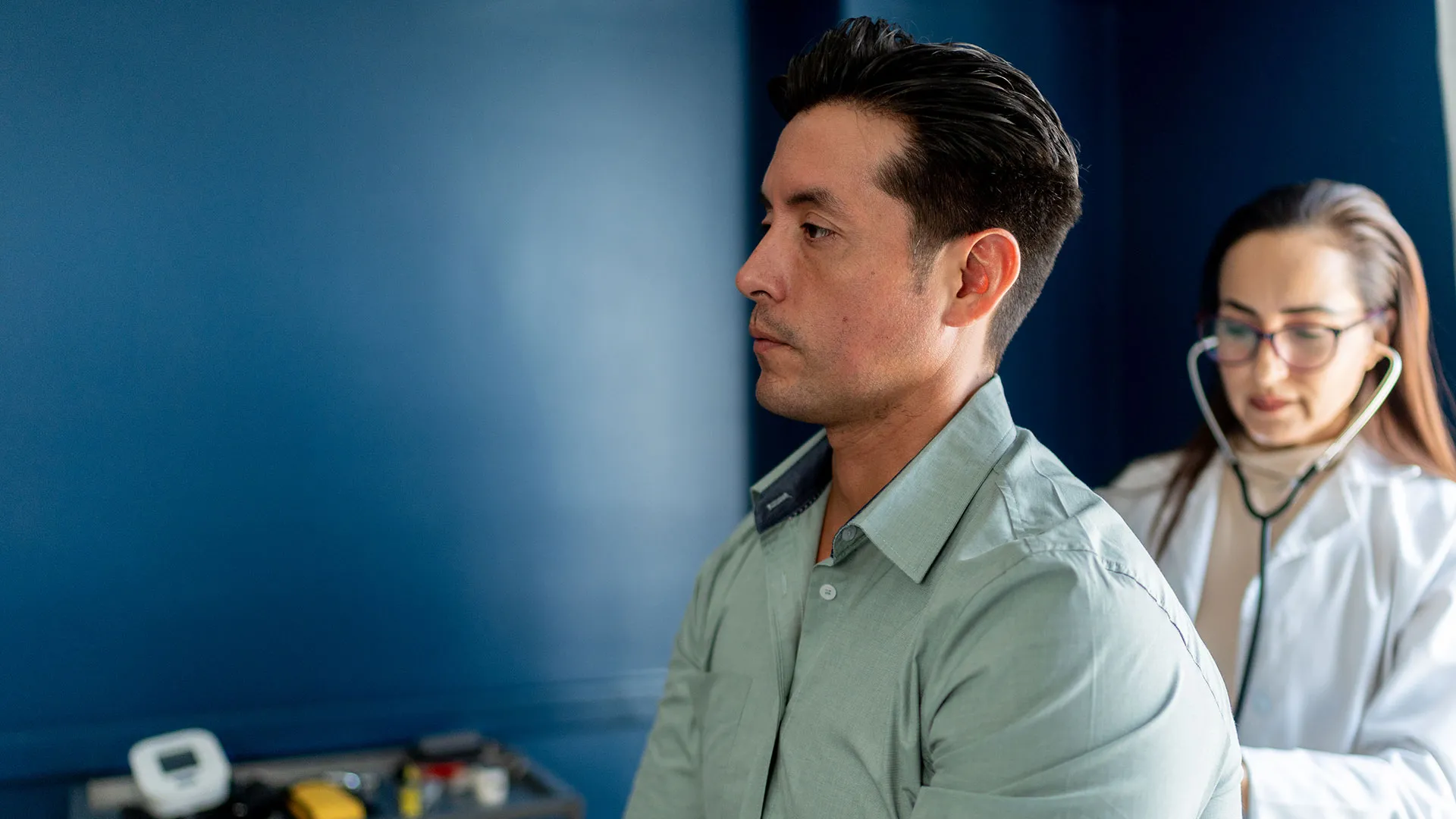
Head-to-toe exam with attention to cardiovascular, respiratory, and musculoskeletal findings.
Protocol testing
Spirometry, audiogram, ECG, labs, or fitness components as your protocol requires.
Clearance
Written clearance to the department: cleared, cleared with recommendations, or not cleared.
Scheduling an academy class or an annual cycle?
Monday–Friday, 7am to 5pm at Denver, Lakewood, Parker, and Thornton. Hablamos Español.
What it is
The medical exam behind a safe response
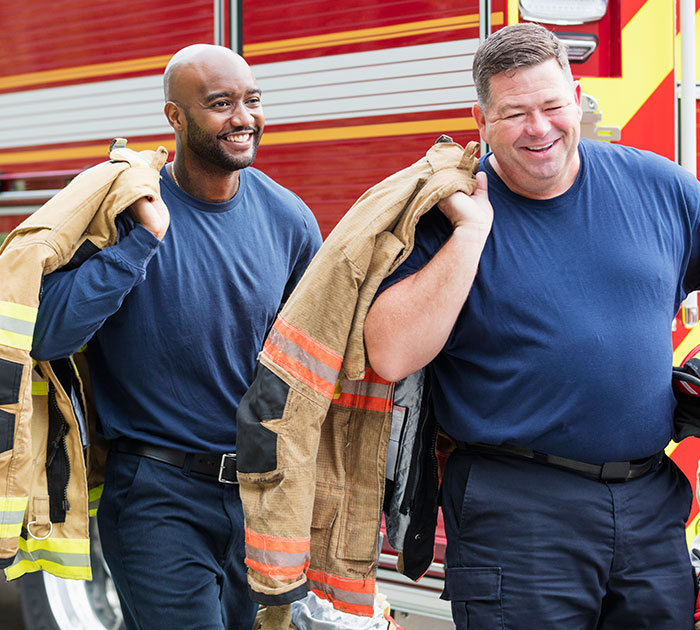
Public safety work puts sudden, heavy physical and cardiovascular demands on people who also wear respirators, carry loads, and work in heat. Departments set medical standards so that no one is cleared for duty with a condition that puts them or the public at risk. For fire departments that standard is usually NFPA 1582; law enforcement and EMS agencies often adopt their own protocols.
We build the exam to your department’s standard, document it the way your medical officer or HR needs it, and can include respirator medical clearance in the same visit for SCBA and other respirator users.
After the exam
Clearance your department can file
The department receives the clearance determination and whatever the protocol requires it to receive. Full results and any recommended follow-up go to the member.
- Cleared
- Meets the department’s medical standard for the essential job tasks.
- Recommendations
- Cleared with follow-up items the member should address with their own provider.
- Not cleared
- Explained to the member with the specific finding and what could change the result.
- Records
- Documentation delivered in the format your medical officer or HR files, with reminders before the next annual.
For employers
Standardize medical clearance across your department
One protocol, one clinic group, one record format. Direct billing, academy and annual-cycle scheduling, and results to your medical officer.
Common questions
Public safety physicals, answered
Answers from our front desk and examiners. General information, not medical or legal advice.
What is NFPA 1582?
NFPA 1582 is the National Fire Protection Association’s standard on comprehensive occupational medical programs for fire departments. It defines the medical evaluation for candidates and the annual evaluation for members, tied to a list of essential job tasks.
Do you run our department’s own protocol?
Yes. Send us the protocol and forms your department uses and we run the exam to that specification. Where a department has no written standard, we can propose one based on NFPA 1582 for you to adopt.
Is respirator clearance for SCBA included?
It can be done in the same visit. SCBA and other tight-fitting respirators require a medical evaluation under OSHA 1910.134 before use, and a fit test for the specific mask.
What does the department see?
The clearance determination and what your protocol requires. Diagnoses and medical detail beyond that stay with the clinic and the member.