
Careers · Denver · Thornton · Parker · Lakewood
Occupational medicine, at a pace you can actually sustain.
Four clinics, weekday hours, and patients you see through to the end of their recovery. ICA is small enough that the person who hires you is someone you will work beside — and steady enough that people here measure their time in years, not rotations.
Open positions
What we are hiring for right now
Postings stay up until the role is filled. If nothing here matches, the open application below goes to the same inbox and we keep it on file.
Open application
Don’t see your role? Tell us what you do.
Medical assistants, front office, therapy aides and providers — we open roles as clinics grow, and we look at the file we already have before we post anything.
Working here
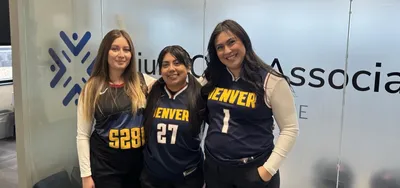
A clinic small enough to know everyone’s name.
Occupational medicine is different from urgent care in one way that matters day to day: you see the same patient again. You set the restrictions, you watch them work, and you are the one who clears them. The work has a beginning and an end, and you are there for both.
Because providers, therapists and testing staff sit in the same building, a question gets answered by walking down the hall. Nobody waits three days for a consult that takes ninety seconds.
We hire for judgment and steadiness over specialty pedigree. If you have never worked in occupational health, we will teach you the regulatory side — it is learnable, and most of our staff learned it here.

Benefits
Career Benefits You'll Love
Specifics vary by role and hours, and we will put the exact numbers in front of you before you are asked to decide anything.
Teams
The four groups that make a clinic run
Most openings come from one of these. Pick one to see what the work looks like.
Providers
Physicians, physician assistants and nurse practitioners running the injury schedule and the exam schedule side by side. You own your patients from first visit to release, and you write the restrictions that decide whether someone keeps working.
- Occupational medicine physician
- Physician assistant
- Nurse practitioner
- Certified medical examiner (DOT)
Therapy
Physical and occupational therapists working in the same building as the provider who referred the patient. Job-specific conditioning, functional capacity evaluations and return-to-work progressions — rehab measured against the demands of a real job, not a generic protocol.
- Physical therapist
- Occupational therapist
- Therapy aide / tech
- Work conditioning specialist
Clinical support
Medical assistants and testing staff who run vitals, injections, drug and alcohol collections, audiograms, fit testing and the paperwork that makes each of them count. On a busy morning you set the pace of the whole clinic.
- Medical assistant
- Drug & alcohol collector
- Audiometric / fit test technician
- X-ray technologist
Front office & operations
Scheduling, authorizations, billing and the employer relationships behind them. Work-injury visits carry an employer, an adjuster and a claim on top of the patient, and this team keeps all three straight.
- Front desk coordinator
- Authorization specialist
- Medical billing
- Employer account coordinator

Hiring
How we hire, start to finish
Four steps, and you will know where you stand at each one. If we are not moving forward, we say so rather than going quiet.
- Day one
Send a resume
Apply to a posting or email us directly. Tell us which clinic is closest to you — geography matters more than a cover letter here.
- Within a week
A phone conversation
Twenty or thirty minutes with the person who manages the role. What you have done, what you want next, what the job actually involves, and the pay range for it.
- Usually within two weeks
Time in the clinic
You come in, meet the team, and see the flow of a real day. Clinical roles include a working conversation about cases; everyone leaves knowing what the job looks like.
- A few days later
Offer and credentialing
A written offer with compensation and benefits spelled out, then licensure verification, background check and a start date that respects your notice period.
Questions candidates ask
Do I need occupational medicine experience?
For most roles, no. Clinical skill and judgment transfer; the regulatory layer — DOT standards, work restrictions, claim documentation — is specific but learnable, and we train it. Most of the people here learned it at ICA.
Which clinic would I work at?
Usually the one you are hired into, and we try to match you with the location closest to home. Some roles cover a second clinic occasionally, and that is discussed before an offer, never sprung on you after.
What are the hours?
Clinics run weekday daytime hours. There is no overnight call and no rotating weekend requirement. Some roles have an early or late shift within that window, and start times are set, not floating.
Is part-time or per-diem possible?
For some clinical support and therapy roles, yes. Say so in your first conversation and we will tell you honestly whether the schedule works for the role you are looking at.
How long does hiring take?
Typically two to four weeks from resume to offer, depending on how quickly interviews can be scheduled. Credentialing for licensed roles can add time, and we will tell you where things stand rather than leaving you guessing.
What if there is nothing open in my role?
Send the resume anyway. We open roles as clinics grow and we look at applications already on file before posting publicly. Note your role, your license if you hold one, and your preferred clinic.
Do you hire new graduates?
Yes, in clinical support and therapy roles, and occasionally for providers where a supervising physician is on site every day. What we need from a new graduate is the same as from anyone else: reliability and a willingness to ask.