
Fit for duty exams built on the job, not a guess
An objective medical answer when there is a real question about whether an employee can safely do the essential functions of their job.
Before you come in
What to bring and how to prepare
The exam goes fastest when we know the job and the concern before you arrive. Most delays come from a missing job description or missing records from the treating provider.
Good to know
- Wear clothes you can move in; functional testing may be included.
- Take your regular medications unless your prescriber tells you otherwise.
- Tell us about symptoms honestly; the determination protects you as much as the employer.
Bring
- Photo ID
- The employer’s referral stating the reason for the exam
- The job description or essential-functions list
- Records or a release from any provider treating you for the condition in question
- A complete list of medications and doses
- Glasses, contacts, or hearing aids you use at work
The visit
What the fitness-for-duty exam includes
Referral review
We read the employer’s stated concern and the essential-functions list before the employee arrives.
History and records
Relevant history, current treatment, and any records the employee brings from their treating provider.
Focused exam
A physician exam directed at the body systems and functions the job actually loads.
Functional testing
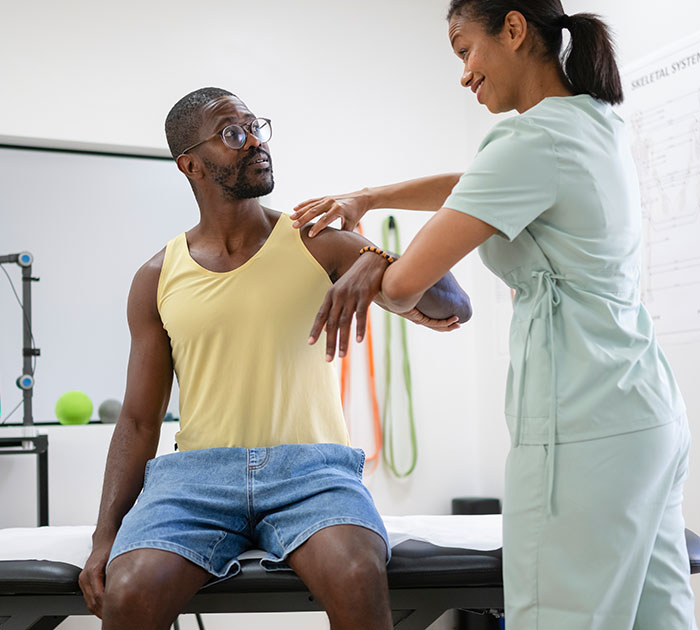
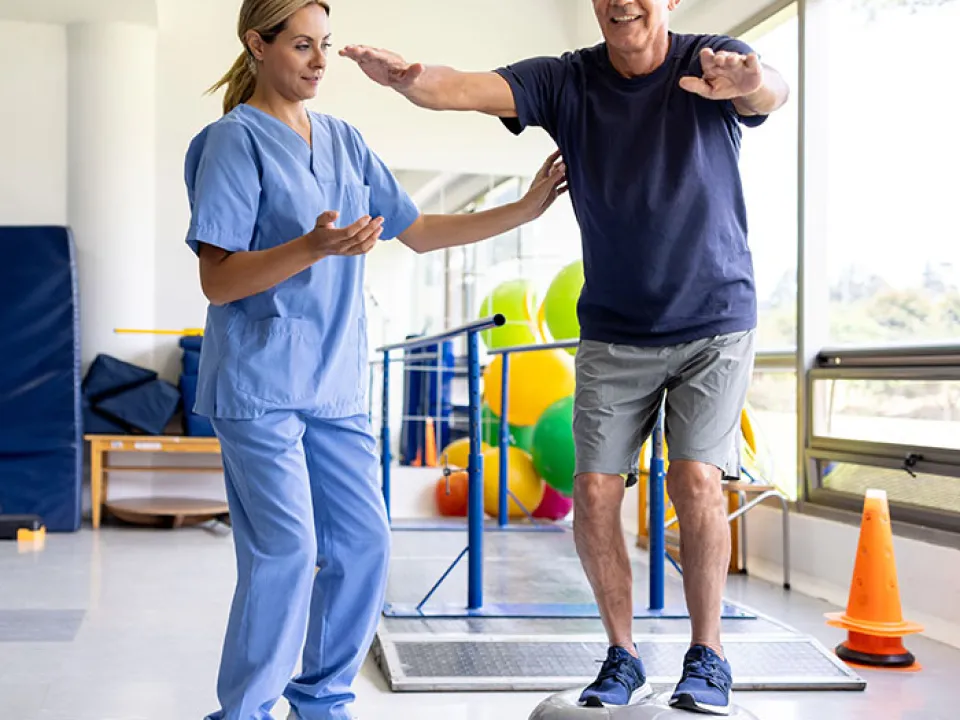
Range of motion, strength, lift, or balance testing when the job demands call for it.
Determination
A written fit / fit with restrictions / not fit result to the employer, with specific restrictions where they apply.
Need a fitness-for-duty exam scheduled?
Monday–Friday, 7am to 5pm at Denver, Lakewood, Parker, and Thornton. Hablamos Español.
What it is
An objective answer to a specific question
A fitness-for-duty exam is requested by an employer when there is a reasonable, documented concern that an employee may not be able to perform the essential functions of the job safely: a return after an extended medical leave, a new diagnosis, medication that affects alertness, or an incident on the floor. The exam is scoped to that concern and to the job, not to the employee’s general health.
We start from your job description and the reason for the referral, examine and test what is relevant, and give you a determination you can act on. Diagnoses stay between the employee and the clinic.
After the exam
A determination you can act on
The employer receives the fitness determination and any restrictions, not the diagnosis or the medical detail. The employee receives a copy of their results and any recommended follow-up.
- Fit for duty
- The employee can perform the essential functions as described, without restriction.
- Restrictions
- Specific, time-limited limits (for example no ladder work, no lifting over 30 lb) with a recheck date, for HR to evaluate accommodation.
- Not fit
- Explained to the employee with what documentation or treatment could change the result.
- Follow-up
- If the exam turns up something that needs ongoing care, we refer the employee to their own provider. We do not provide primary care.
For employers
Get an objective answer before someone is hurt
Send us the concern and the job description. We scope the exam to the question, direct-bill your account, and return a determination HR can act on.
Common questions
Fitness for duty, answered
Answers from our front desk and examiners. General information, not medical or legal advice.
When can an employer require a fitness-for-duty exam?
Under the ADA an employer may require a medical exam of a current employee when it is job-related and consistent with business necessity, typically when there is objective evidence that the employee may be unable to perform essential functions or may pose a direct safety threat. This is general information, not legal advice; check with employment counsel about your situation.
Is this the same as a return-to-work exam after a work injury?
No. After a workers’ compensation injury, the treating provider manages restrictions and return to work through the claim. A fitness-for-duty exam is for questions outside a work-injury claim, such as a return from personal medical leave or a safety concern on the job.
What does the employer receive?
A written determination: fit, fit with restrictions, or not fit, plus any specific restrictions and a recheck date. Diagnoses and medical detail stay with the clinic and the employee.
Can the employee bring records from their own doctor?
Yes, and it usually speeds the exam. A release or letter from the treating provider describing the condition and current treatment lets us focus on the job question rather than repeating a workup.