
Exposure testing for lead, silica, and other regulated hazards
Biological monitoring and surveillance exams required by OSHA substance-specific standards, with results tracked against action levels and removal triggers.
For employers
Turn a regulatory obligation into a running program
Protocol setup by job class, recall scheduling at the required interval, action-level alerts, and on-site blood draws for larger crews.
What is tested
Tests matched to the substance and the standard
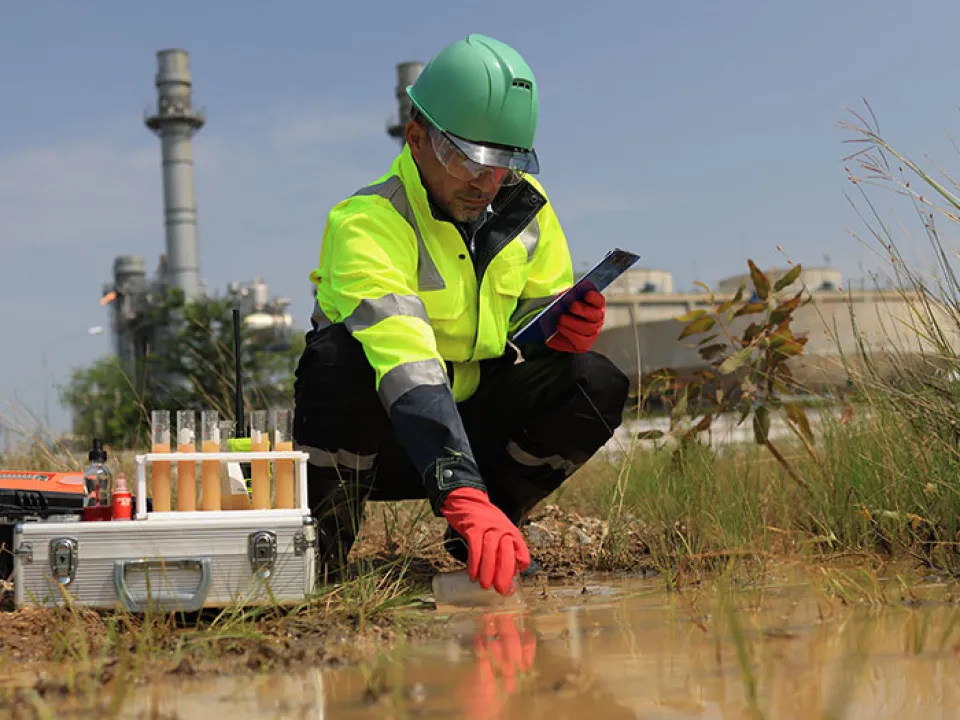
Each OSHA substance-specific standard defines what must be measured, how often, and what level triggers action. We build the panel from your exposure assessment and the standard, not a generic menu.
Where a standard requires a physician review, the exam is performed by an occupational medicine physician and the written medical opinion goes to the employer.
- Bridge, demolition, and abatement crews
- Battery and radiator shops
- Concrete cutting and masonry
- Foundries and metal finishing
Lead
Blood lead and ZPP. Every 6 months above the action level; every 2 months at 40 µg/dL+; medical removal at 50 (construction) or 60 (general industry).
Respirable silica
History, physical, chest X-ray read by a B Reader, spirometry, and TB test at baseline; every 3 years after.
Cadmium
Blood cadmium, urine cadmium, and beta-2 microglobulin.
Benzene
CBC with differential at baseline and annually.
Asbestos
Respiratory questionnaire, chest X-ray, and spirometry on the schedule in 1926.1101.
Heavy metals panel
Arsenic, mercury, chromium, and others as identified in your exposure assessment.
Results above an action level are called to the employer the same day they are received, ahead of the written report.
How it works
From exposure assessment to tracked results
Frequency and removal levels follow the applicable standard.
Define the protocol
We map your exposure assessment and job classes to the required tests, intervals, and action levels.
Collection and exam
Blood or urine draw with chain of custody; physician exam, spirometry, and imaging arranged through a partner facility when the standard requires it.
Lab analysis
Specimens run at an OSHA-approved lab for blood lead; specialty labs for other metals and markers.
Review and trend
Physician compares to prior results and action levels, issues the written opinion, and flags any removal or retest.
Before you come in
What to bring and how to prepare
Most exposure tests need no special preparation, but timing relative to the shift and recent exposure affects the result.
Good to know
- Blood lead can be drawn any time; no fasting required.
- For urine metals, avoid seafood for 48 hours; it raises arsenic and mercury.
- Come in work clothes that allow a blood draw and spirometry.
Bring
- Photo ID and employer authorization
- Your exposure assessment or job classification, if you have it
- Prior results if your surveillance history is with another clinic
- A list of current medications and supplements
Results
Reporting built for the standard
Substance-specific standards spell out what the employer must receive and what the employee must be told. Our reports are formatted to satisfy both without disclosing unrelated medical findings.
Employee
Within 5 business days of receipt
- Written copy of every result
- Notice within 5 days if blood lead exceeds 40 µg/dL
- Explanation of any removal or follow-up
Employer
Written medical opinion
- Detected conditions that increase risk from exposure
- Recommended limits on exposure or respirator use
- Medical removal and return-to-work determinations with MRP benefits
Surveillance record
Retained 30 years
- All results, exams, and opinions for duration of employment plus 30 years
- Trend charts across sampling intervals
- Available to the employee and OSHA on request
Common questions
Exposure testing, answered
Answers from our collectors and clinicians. General information, not medical or legal advice.
When does a lead program have to start?
When any employee is exposed above the action level of 30 µg/m³ for more than 30 days a year. Construction also requires initial testing whenever exposure is at or above the action level on any day. General information, not legal advice.
What is medical removal protection?
When blood lead reaches the removal level, the employee must be moved away from exposure with pay and seniority protected for up to 18 months until levels fall below the return threshold on two consecutive tests.
Is a chest X-ray required every silica exam?
Yes, at baseline and every 3 years, read by a NIOSH-certified B Reader. We coordinate imaging at a partner facility if needed and include the reading in the report.
Can employees see their own results?
Always. Every employee receives a written copy and the physician is available to explain findings and what they mean for the job.
Set up exposure monitoring for your crew
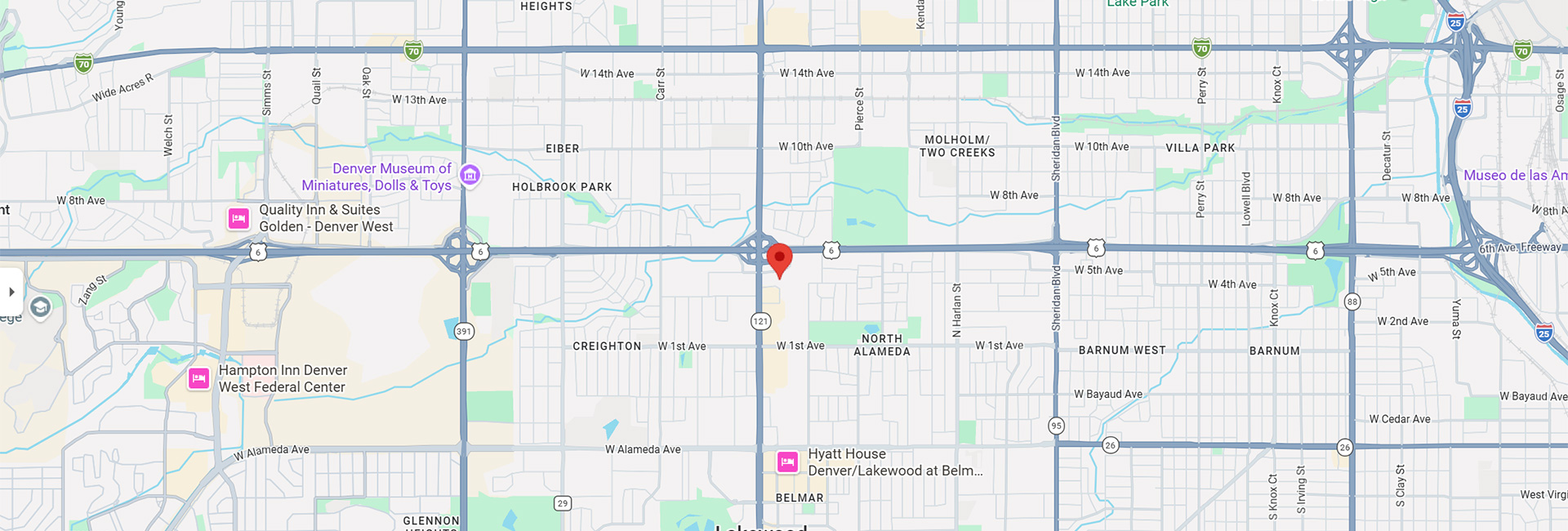
Monday–Friday, 7am to 5pm at Denver, Lakewood, Parker, and Thornton. Hablamos Español.
- Denver(303) 531-4144
- Thornton720-531-8377
- Parker720-409-0007
- Lakewood(720) 689-9655